
Key Takeaways
- Choose the booking structure around the journey, not just bus size.
- Simple transfers need clear pickup, timing, and drop-off details.
- Multi-stop routes and return journeys require more planning flexibility.
- Repeated routes benefit from a consistent long-term arrangement.
Introduction
Bus bookings can look straightforward until the itinerary grows. One pickup may become three, while a drop-off becomes a return journey and a one-off trip becomes weekly transport. When clients ask us about bus rental vs charter, we look beyond the label and map what the group needs to do. The practical difference lies in route complexity, timing, waiting requirements, flexibility, and frequency. We plan around the movement itself, whether you need a direct transfer, block booking, or ongoing service.
What Bus Rental and Bus Charter Mean in a Booking Context
The terms are often used interchangeably; the booking structure reveals the route and scheduling requirements. When comparing bus rental vs charter, a rental-style arrangement generally suits a fixed pickup, destination, and timing. A charter-style arrangement gives more room for extra stops, waiting time, or a return journey. Neither means self-drive. For a private bus booking, the real question is how much movement needs to be planned around your schedule rather than one transfer.
If you are comparing bus rental options in Singapore, give the operator your complete movement plan before focusing on terminology. Clear trip details clarify scheduling and vehicle requirements. A simple route may remain straightforward, while a more involved programme may need customised planning.
Why the Booking Type Matters Before Confirming a Bus
Before choosing bus rental vs charter, define the journey in operational terms: who is travelling, where they board, when they must arrive, what happens between stops, and whether the vehicle is needed later. A two-way event has different scheduling demands from a single transfer. In Singapore, venue access, loading points, traffic, roadworks, and programme timings can shape the plan. Organisers can also check LTA’s road and traffic information when preparing time-sensitive movements.
Passenger count tells us capacity, but not the full job. Route sequence and timing show whether you need simple transport or more active itinerary coordination.
When Ad-Hoc Trips Make Sense
Ad-hoc transport works well when the journey happens on a specific date and does not repeat regularly. Think of a school activity, company visit, training session, outing, tour, or one-time event. If the pickup, destination, passenger count, departure time, and return requirement are confirmed, the booking can stay focused.
For these trips, a clear brief helps us match the vehicle and movement pattern without adding complexity the programme does not need.
When Direct Transport Is Enough
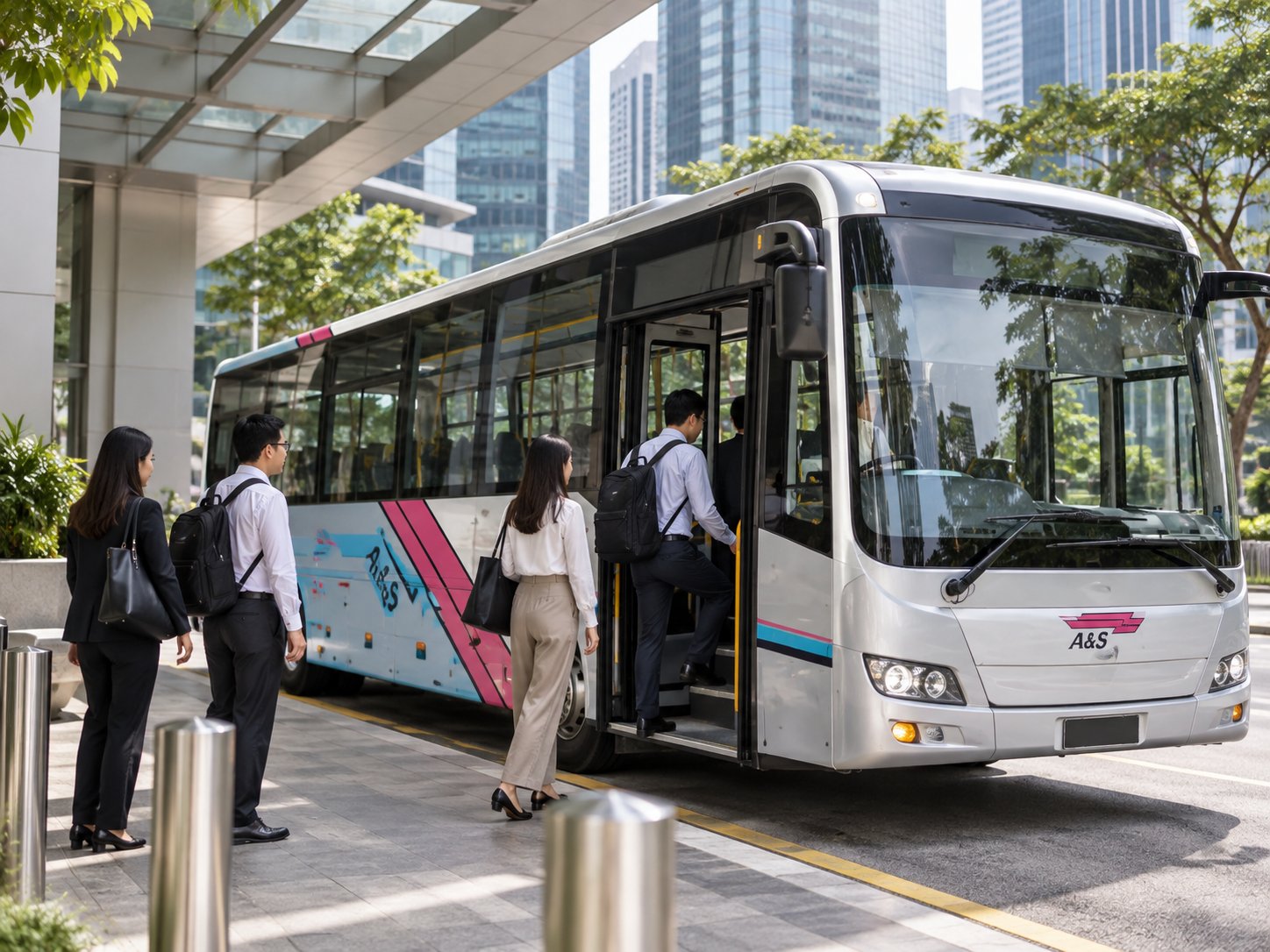
Point-to-point transport is usually the cleanest fit when passengers need one direct movement from A to B. The pickup is known, the destination is fixed, and the bus does not need to remain on standby. This can suit venue transfers, school movements, business visits, and straightforward group journeys.
If you need a simple private bus charter in Singapore, direct routing keeps communication clear. You know the boarding point, destination, and timing while we coordinate transport.
When Multiple Stops Need to Be Included
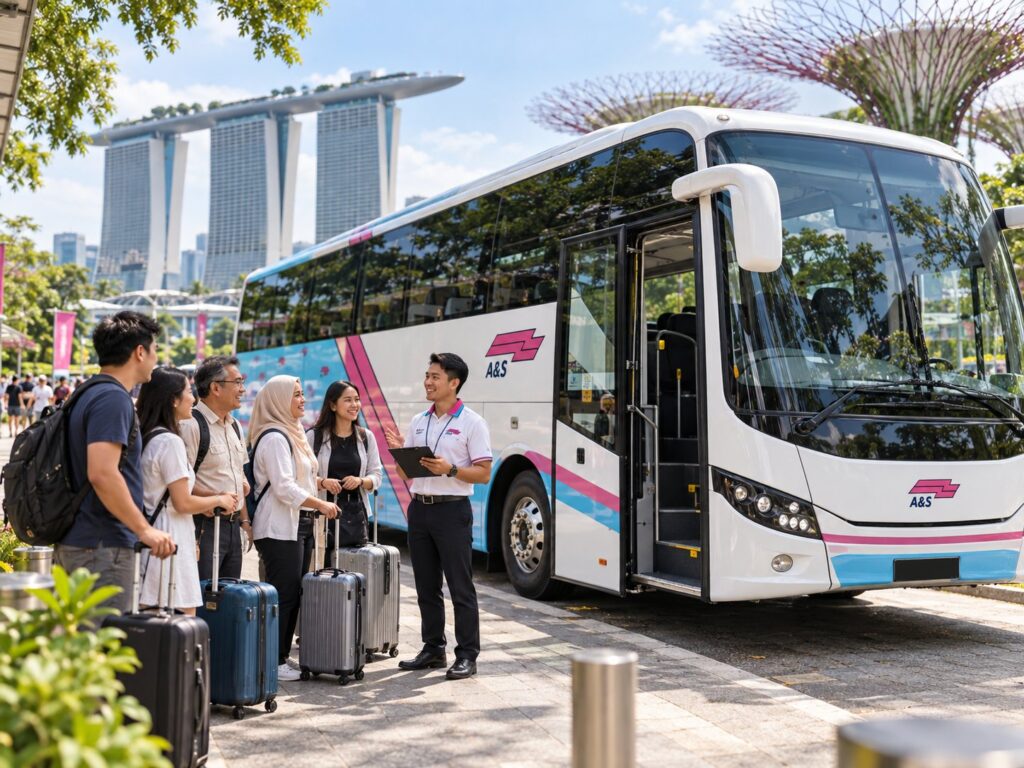
Once a trip includes several pickups or destinations, we need the full sequence before confirming it. Each stop affects timing, route flow, passenger coordination, and the captain’s instructions. A route that looks short can change operationally when boarding time is added at every location.
Provide stops in the intended order and target arrival times where relevant. That helps us assess one connected journey rather than isolated transfers.
When Waiting Time Becomes Part of the Arrangement
Waiting time changes a booking because the bus remains committed between movements. This often happens during site visits, tours, training days, meetings, or events where passengers leave the vehicle and return later.
We need the likely gap, waiting location, and next departure time. Those details help us structure availability realistically instead of treating each leg separately.
When Return Trips Should Be Planned Early
If everyone needs to travel back together, tell us before the first journey is confirmed. Return transport affects vehicle availability and may require a pickup time that accounts for programme overruns, crowd movement, or venue traffic.
Set a practical departure window early. That gives you a transport plan for the entire activity, not just arrival.
When Recurring Arrangements Are More Suitable
A recurring bus arrangement makes sense when the same route or movement pattern repeats over days, weeks, or months. Companies, schools, worker transport programmes, and shuttle operations often benefit from consistent scheduling rather than treating every trip as a fresh request.
For organisations considering corporate bus rental, we look at regular pickup points, operating days, timing, passenger flow, and likely changes. A recurring structure creates a clearer framework and reduces repeated briefing.
Matching the Booking Type to the Actual Trip
The most useful way to compare bus rental vs charter is to match the booking structure to the movement. A direct transfer may need only a fixed route. A multi-stop programme may need waiting periods and a return leg. A repeated service may need a longer-term arrangement. We assess four things first: route, timing, flexibility, and frequency. Those factors show what level of planning the journey requires.
Bus size still matters, but only after the movement is clear. Our fleet ranges from 10-seat to 45-seat coaches, allowing capacity to follow the itinerary and passenger needs.
Planning the Right Bus Booking with A&S Transit
If you are weighing bus rental vs charter, send us the full journey rather than only the headcount. Tell us the date, pickup points, destinations, target timings, waiting periods, return needs, passenger numbers, and whether the arrangement repeats. Those details help us plan your route and vehicle schedule.
With more than 30 years in transport, a fleet of over 100 buses, and one-time and recurring options, we can turn those details into a practical plan with fewer booking surprises. Share your itinerary with A&S Transit, and we will help you build the right transport arrangement from the start.